
Classroom management and working with students
How to build a safe, motivating classroom, handle behaviour and individual differences, and communicate with parents.
What you will learn
- Set clear classroom rules and routines
- Handle unwanted behaviour with graduated steps
- Address individual differences and communicate professionally with parents
Section 1 · 12 min
A safe, motivating classroom
 Areen
Narrated by Areen · move between slides freely.
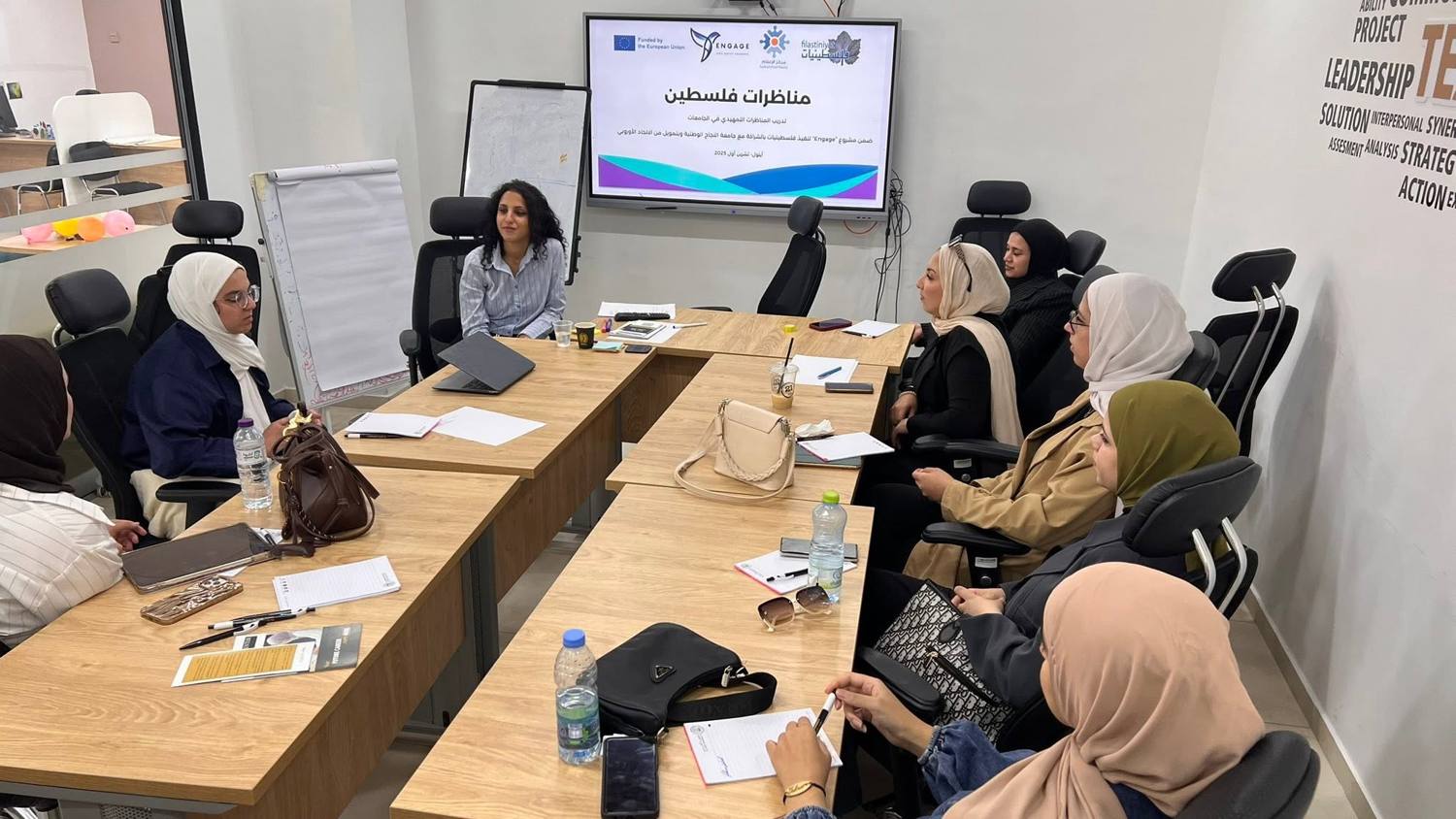
Most behaviour problems are prevented before they start: through good relationships with students, clear rules, routines everyone knows, and a well-planned lesson that fills students' time with something worthwhile.
Foundations of preventive classroom management
- RelationshipsLearn your students' names and care about them as people.
- RulesFew, clear and positive, ideally agreed with the students.
- RoutinesStarting the lesson, handing out materials, moving between activities, ending the lesson.
- PlanningClear objectives, varied activities, well-timed.
- High expectationsYour belief that every student can learn.
⚖️ Wording the rules
✗ Weak✓ Stronger
"No talking without permission"
"We raise our hands when we want to contribute"
"No lateness"
"We're in our seats and ready when the lesson starts"
"Don't mock classmates"
"We respect and listen to each other's views"
✍️ Reflect and write
Recall a teacher whose lessons were organised and enjoyable. What did they do to achieve that?
Sign in to save your answers.
🔒 2 more sections in this course
Sign in or create a free account to continue the course, save your progress and answers, and earn the certificate once credited.
To get credit: prepare this before the session or training
Before the session:
- Write five positively worded class rules and a lesson-start routine
- Write how you'd handle a student who constantly interrupts
Discussion:
- What is the difference between discipline and punishment?